 TR
In This Article
- Reading an Energy Facility as a Whole
- How Does Equipment Data Affect Construction Decisions?
- Coordination Between Foundations and Layout
- Planning Infrastructure Routes Together
- Site Logistics Cannot Wait for the Large Components
- A Clear Handover Arrangement Between Work Packages
- Quality Records Build Technical Memory
- Occupational Safety Is Part of Daily Coordination
- Commissioning Preparation Starts Early
- Energy Structures in the Bend Yapı Archive
- A Scenario for Preparing the First Meeting
- Defining Interim Handover Clearly
Reading an Energy Facility as a Whole
In power plant construction, the role of a structural element can often only be understood together with the technical systems around it. An equipment foundation, a service road or a control building can each be completed on its own, but the facility's operation depends on how they relate to one another. Establishing a regular flow of information between generating equipment, infrastructure and building works is therefore important from the very start of the project. In energy investments, the construction team should not be seen only as the party that executes the drawings. It is also part of the coordination that ensures design and procurement decisions are carried through on site.
The purpose, equipment arrangement and site conditions of each energy facility can differ. Transferring a layout considered suitable for one plant directly to another facility is not a sound assessment. The needs of the investment, the equipment manufacturers' data and the decisions of the relevant engineering disciplines are considered together. The aim of this article is not to describe the design of a specific plant. It is to examine the process topics that help the client and the project team see the link between building works and technical systems more clearly.
How Does Equipment Data Affect Construction Decisions?
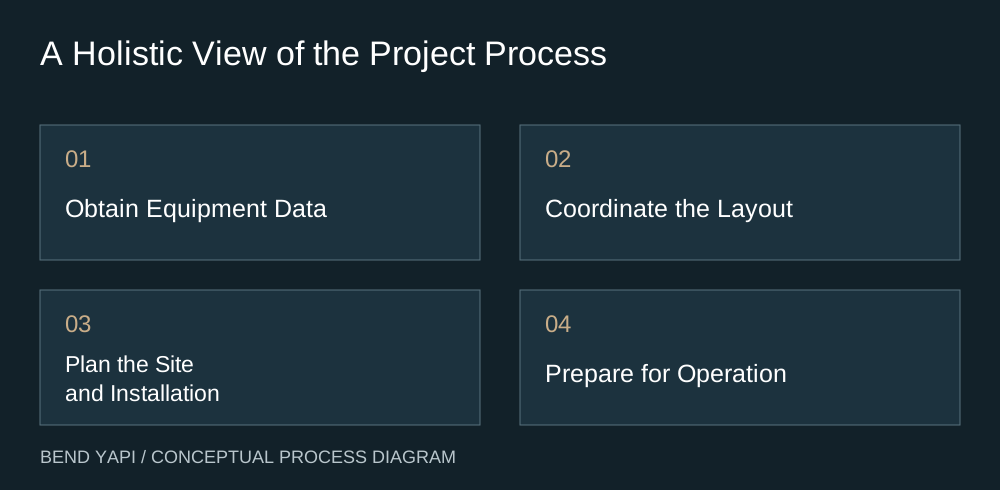
The area where a machine will be installed is not determined by its external dimensions alone. The clearance needed during installation, maintenance access, connection points and effects that may arise during operation are also assessed. This data needs to be defined by the relevant specialists. If the construction team starts permanent work based on equipment information that has not yet been finalized, changes may be needed later. Items that are difficult to alter afterwards, particularly embedded parts and connection details, require early coordination.
The information package received from the equipment supplier should be identified by a specific revision. If news that a drawing has been updated reaches the site late, work that appears to have been done correctly can become incompatible with the new requirements. That is why approving and distributing data is planned just as receiving it is. The client, designer, supplier and construction team should know which document governs. If pending data is tracked through a list, it is also easier to understand which work on site cannot start and why.
Coordination Between Foundations and Layout
In energy structures, the assessment of foundations and structural elements relies on competent engineering work. Equipment loads, ground information and operating conditions are examined together by the relevant disciplines. This is not simply a matter of selecting a dimension or a material grade. The location of systems, access needs and their relationships with one another feed into the design as a whole. For the client, the important question is understanding what data these decisions are based on and which teams have verified them.
Before work begins on site, setting-out and level information is checked against the current design. Control points are established and the necessary records are kept. When a dimensional or positional discrepancy is found, clarification is obtained from the relevant design team rather than crews proceeding on their own interpretation. A positional difference that seems small can affect other work packages during installation or connection. Having the construction and equipment teams work from the same data before execution helps potential mismatches to be spotted earlier.
Planning Infrastructure Routes Together
In an energy facility, roads, the drainage layout, cable routes and various utility lines share the same site. Planning these systems independently of one another can complicate the construction sequence. Excavating the same area again after a line has been completed affects both the schedule and the protection of completed work. Route coordination therefore begins at the drawing stage and continues in the site program. Construction crews should know when each area will be opened and at what stage it will be closed.
As-built records are particularly important for work that ends up underground. Accurate information will be needed for maintenance or new connection work during operation. Leaving the location of a line solely to the memory of site personnel is not a sustainable way to manage information. Survey and document records need to be linked to the current drawings. Completing infrastructure also means finishing the necessary inspections and records before it is backfilled. This approach supports continuity of information between construction and operation.
Site Logistics Cannot Wait for the Large Components
The delivery and installation needs of energy facility equipment can affect the site layout. The entire journey should be considered, from the material's arrival on site to its storage and transport to the point of installation. The transport route, temporary storage areas and the sequence of crews' work are planned together with the relevant specialists. Access that seems easy at the start of the job can narrow as construction progresses. This is why future installation needs are assessed before the surrounding structures are completed.
Logistics decisions are not only about large equipment. Daily material flow, personnel movement and deliveries from different contractors also need to be organized. Efforts are made to prevent crews arriving at the same point at the same time from waiting or blocking each other's work areas. Storage conditions are addressed according to the properties of the materials. A product that has been received and is on site may not be ready for use. Completing the necessary inspection, documentation and protection steps should be included in the construction plan.
A Clear Handover Arrangement Between Work Packages
Certain conditions must be met between the completion of construction work and the start of equipment installation. An area being physically clear may not be enough on its own. The relevant inspections are expected to be concluded, access prepared and the necessary information passed to the installation team. Defining these conditions in advance makes the handover between teams easier to understand. Written records make it visible which work has been completed and which issues remain open.
Boundaries of responsibility should also be clear in the handover plan. Complementary building work or protection measures to be carried out after installation may fall within the scope of different teams. When these items are left undefined, the area as a whole may be late in becoming ready even if everyone has finished their main task. The client's coordination team can treat interim handovers as small rehearsals for the final handover. Using a short, clear checklist at each stage helps prevent remaining work from piling up on the last day.
Quality Records Build Technical Memory
In energy facilities, being able to access the history of a piece of work matters both during construction and in later use. Material information, construction records and the necessary inspection results are linked to the same work package. What is valuable is not the size of a document archive but being able to reach the information needed. Document names, area designations and the revision system should be understandable to everyone. This reduces the chance of encountering inconsistent files in different folders when looking into an issue.
Nonconformance management is also part of this information system. When a problem is identified, a record is opened, a technical assessment is made and the close-out of the correction is tracked. A purely cosmetic fix may not explain the cause of the problem. Causes such as missing information, a supply discrepancy or a working condition may call for other measures. Consistent records help prevent the same issue from recurring in similar work packages. Quality monitoring is treated not as a separate activity that halts the project's progress, but as work that supports progress in the right direction.
Occupational Safety Is Part of Daily Coordination
Having different teams on the same site requires work areas and work sequences to be assessed together. How construction, installation and other technical activities affect each other is discussed in the daily program. Risk assessments and the necessary working arrangements are prepared by competent occupational safety teams according to the project's conditions. Copying a plan used at another facility as it is may not reflect the real interactions on site. Changing work and area conditions should be included in the assessment.
It is useful for the client's progress meetings not to address safety only in terms of the number of reports. Open issues on site, interactions between teams and the implementation of the measures taken should be discussed. Personnel having access to clear information and being able to report problems supports the working arrangements. A disconnect between production pressure and safety decisions can weaken coordination. Safe access and an orderly work area are part of how the work is done. They should not be seen as complementary elements to be added later.
Commissioning Preparation Starts Early
Preparing the facility for operation is not a process that begins only after construction is complete. The needs of inspection, testing and commissioning activities are assessed early in the project program. It is determined which system will be ready at which stage, which document is expected and which specialist team will take part. Operations representatives engaging with the process in good time makes it easier to prepare the information package to be used at handover. Open issues between building works and equipment works can affect this preparation.
For the operations team, maintenance access and document organization are at least as important as physical completion. Current layout drawings and system information are handed over in a suitable form. A list of open items is maintained and close-out conditions are defined. This way, the handover meeting is not reduced to the question "Is the work finished?" It also considers under which conditions the building is ready for use and which information has been passed on to operations. This approach makes the contributions expected from different teams in the final stage of the project clearer.
Energy Structures in the Bend Yapı Archive
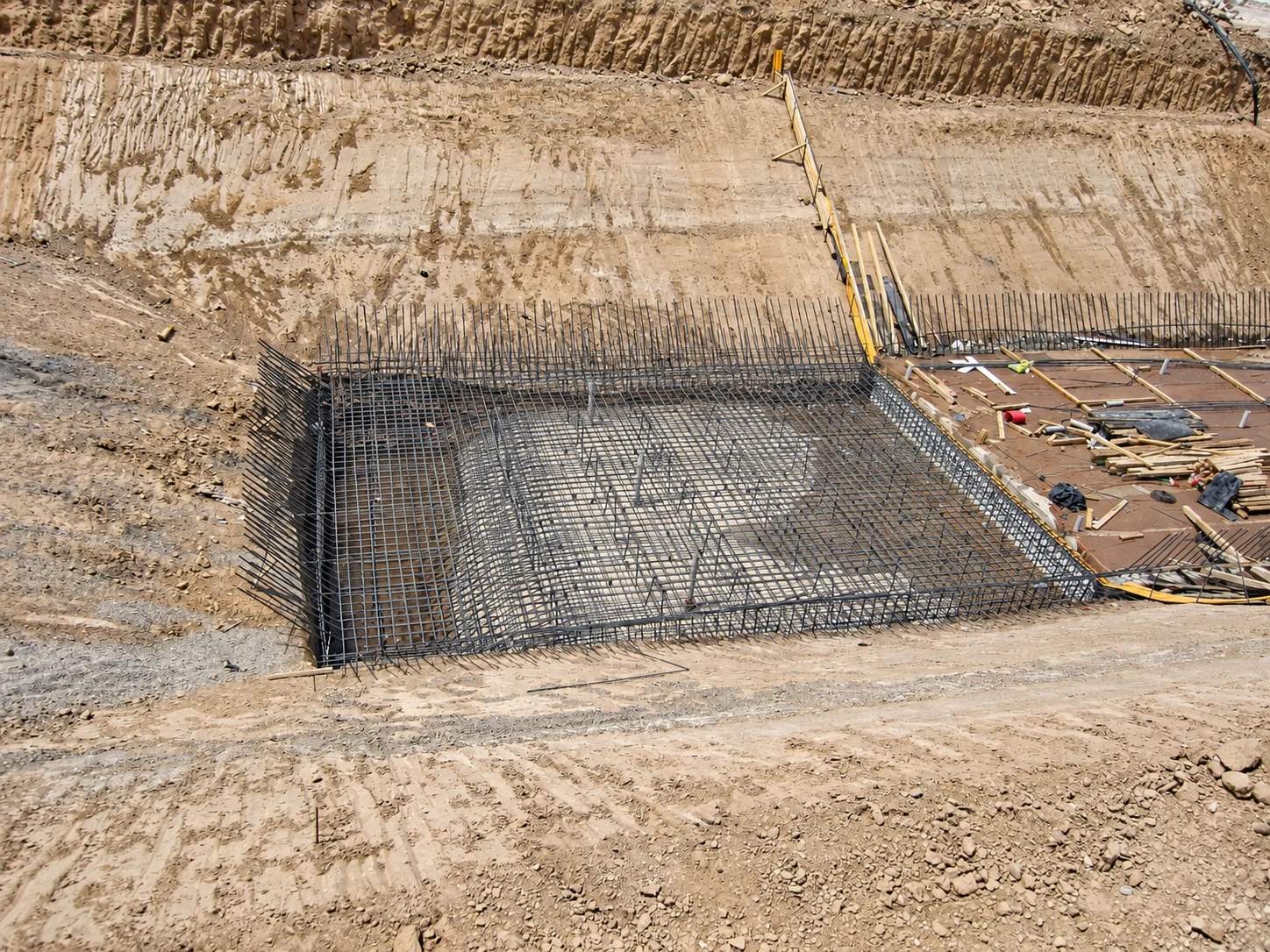
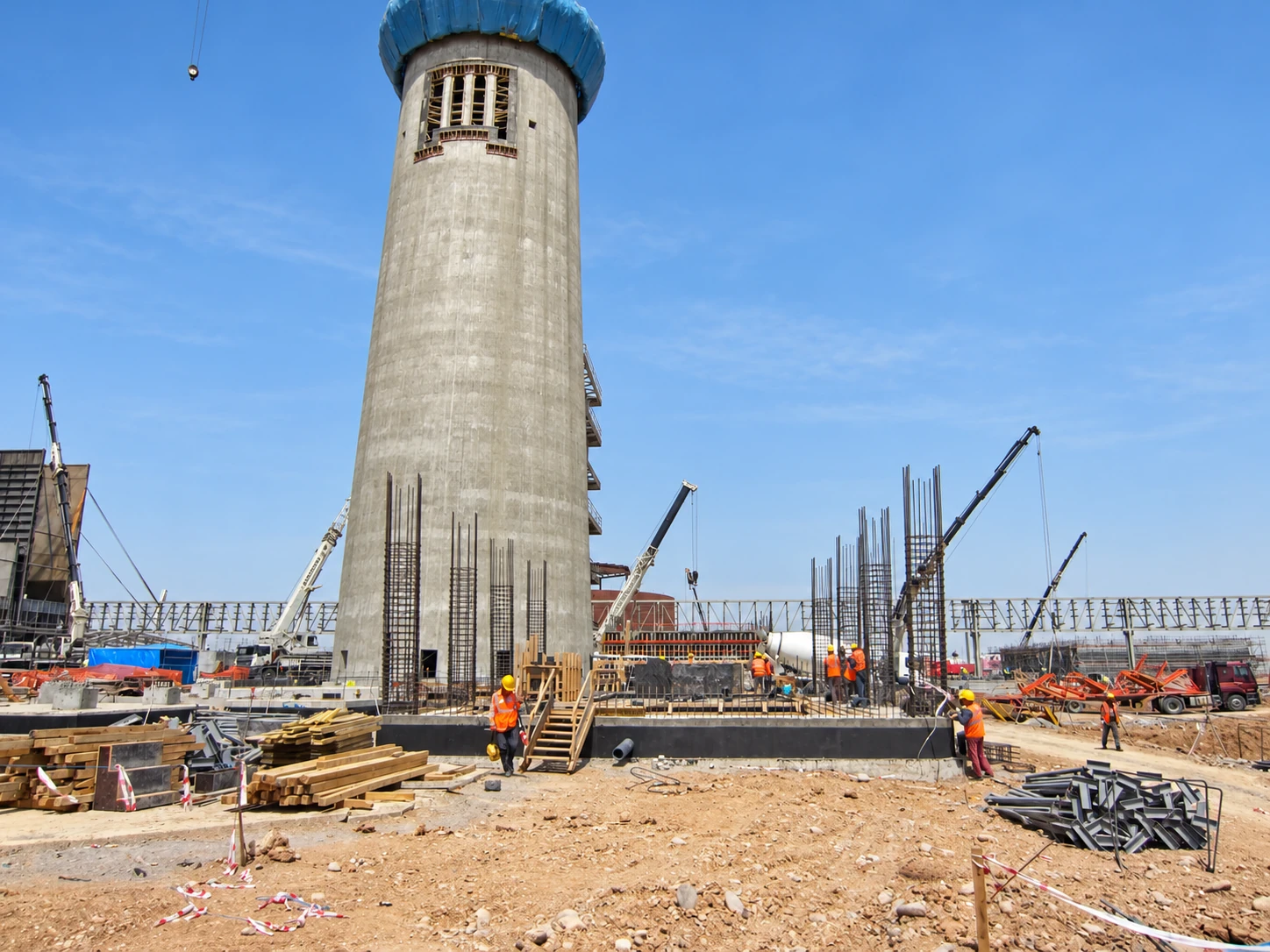
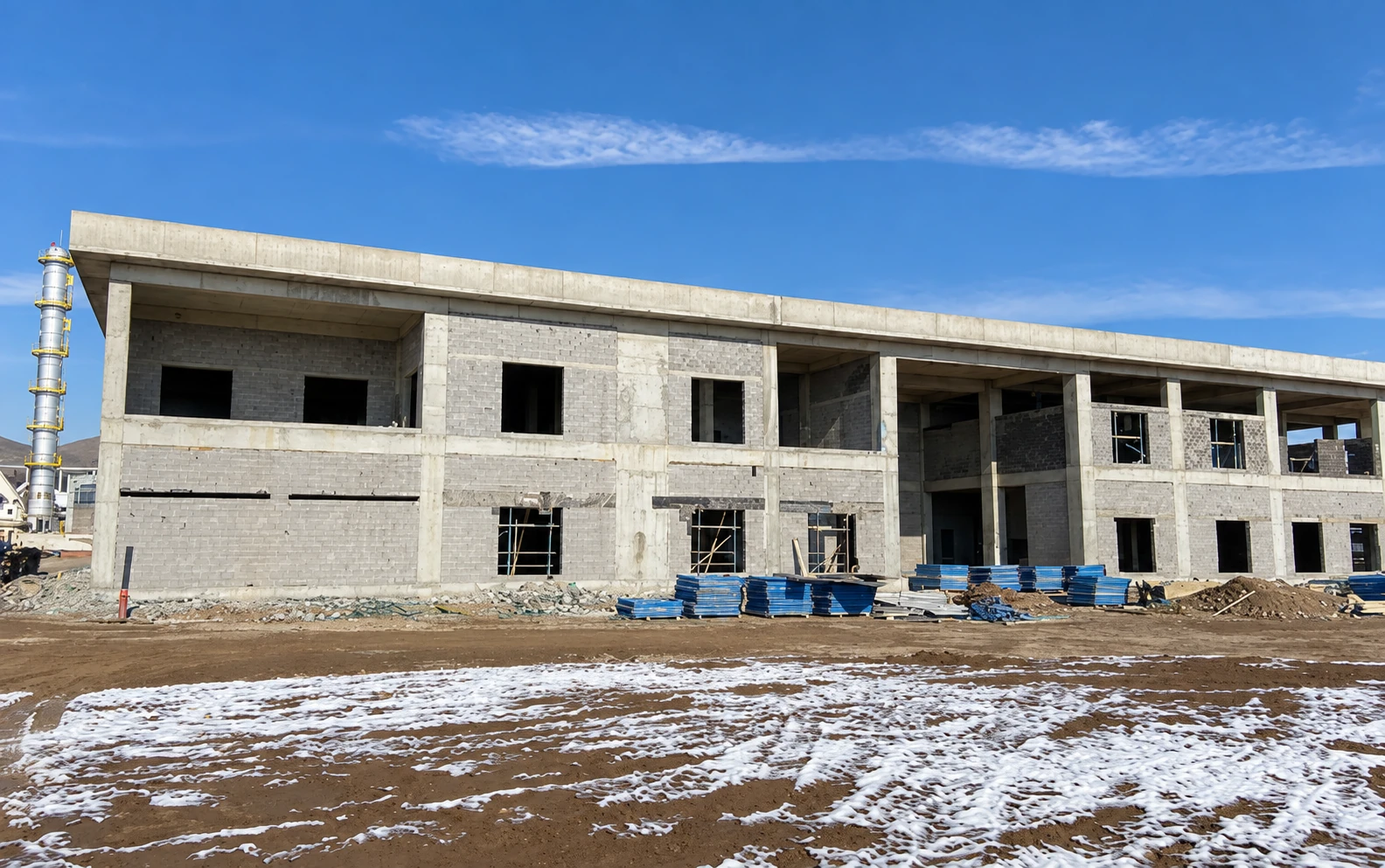
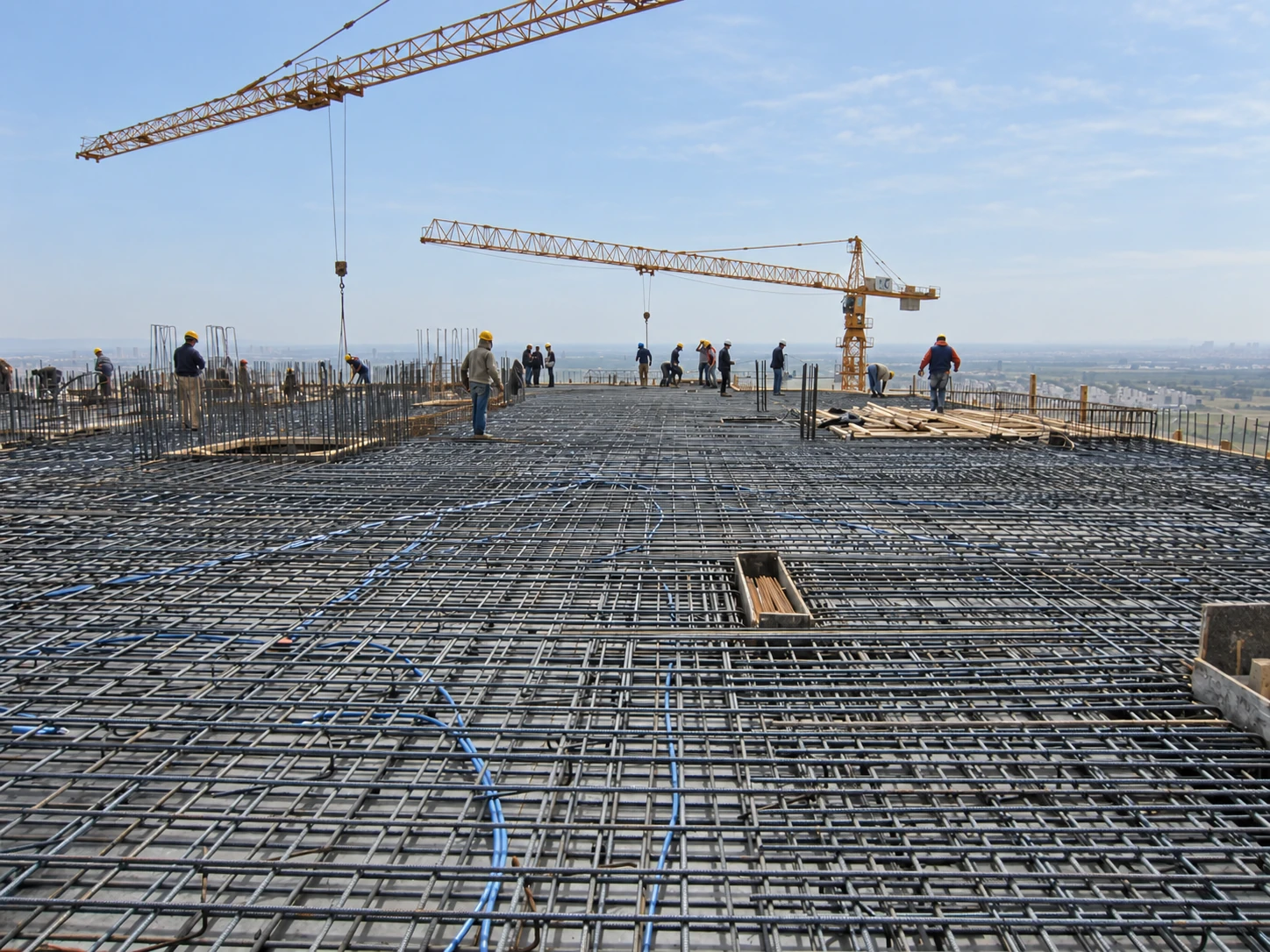
Bend Yapı's project archive includes site images filed under Khabat Thermal Power Plant and Bazyan Substation. These images show how building works and technical installations are handled in the same context in energy investments. The photographs show a particular moment in the construction of the project recorded in the archive. On their own, they provide no information about the facility's current condition, its operating performance or all of the technical methods used. Keeping this limit in mind when reading a project photograph ensures that corporate content is understood correctly.
In an initial meeting on energy structures, equipment data, pending design decisions, site access and preparation for operation can be discussed together. For the client, the most useful approach is to ask about the links between these topics rather than treating them as separate problems. Which work does a delay in information hold up, which team does a layout change affect and which record is needed for an interim handover? These questions simplify the project's technical details and strengthen decision-making. Lasting engineering value comes from thinking about systems together.
A Scenario for Preparing the First Meeting
Suppose an investor wants to schedule the building works while starting equipment procurement. At the meeting, the first topic is at what stage the equipment data will be finalized. Next, the site work waiting on this data is identified. Then items that can be arranged early, such as access and the installation area, are separated out. Rather than treating all the work with the same level of uncertainty, this makes visible the work that can start and the decisions that must be awaited. The scenario does not belong to a specific facility; it is an example illustrating the coordination approach.
Setting only a general completion date at the end of the meeting is not enough. Responsible parties are defined for data deliveries, drawing approvals, site preparation and interim inspections. When the client can see this small chain of decisions in full, it also understands where its own contribution is expected. At the next meeting, the discussion does not start from scratch; it proceeds from the status of earlier decisions. What makes the complexity of energy facilities manageable is the continuity of this framework of information and responsibility.
Acceptance expectations should also be assessed together with equipment procurement. It can be determined which documents will come from the supplier, which from the construction team and which from the client. When a document's title appears on the list, it should not remain unclear who will prepare its content. This distinction prevents different parties from expecting the same record from each other in the final stage. A very long document list does not in itself mean good organization; it should be clear which need each record serves. In this way, information delivery proceeds alongside the project's technical progress and provides a usable starting point for the operations team.
Defining Interim Handover Clearly
The language used for interim handovers in an energy facility program should be clear. When an area is said to be ready, it is specified what use it is ready for. Installation access, the required inspections and document status can be included in the same assessment. The next team should know the remaining work and the limits of its work area. In this way, the client can prevent different teams from using the same term with different meanings. An interim handover record does not replace final acceptance; it describes the conditions of a specific stage. This distinction allows the project's progress to be read more realistically and helps reduce open issues being carried unnoticed into the final stage.