
 TR
In This Article
- A Building Starts with a Need
- Why Does a Clear Scope Matter?
- Bringing Site Data into the Project
- Design Disciplines Must Work Together
- The Schedule Shows How Activities Depend on Each Other
- The Link Between Budget and Technical Decisions
- How Does Quality Become Visible on Site?
- Thinking About Use Before Handover
- The Right Questions for an Investor to Ask
- A View Through Bend Yapı Projects
- What Does a Project Archive Bring to the Next Job?
- Keeping the Decision Log Up to Date
A Building Starts with a Need
The first step in a construction project is not bringing a machine to the site. First, it has to be understood which need the building will meet, who will use it and how it will be operated. In a school, the daily movement of students comes to the fore; in a factory, the production flow; in a residence, living comfort; and in an energy facility, the way technical systems work together. This is why two buildings that look the same size may call for different planning decisions. Behind the drawings that define a building's appearance lie many questions about use, cost, maintenance and time.
For an investor, a good start is not to describe expectations in square meters alone. Capacity, operating hours, potential for growth, the date by which operations must begin and any special requirements should also be discussed. The project team can then turn vague statements into verifiable targets. An expectation of "a durable building" becomes more meaningful once it is clear under which conditions of use and with which maintenance approach it will be judged. These discussions at the start of design help prevent disputes that could arise during construction. Not every decision needs to be finalized right away, but it should be known which decision will be made when.
Why Does a Clear Scope Matter?
Project scope is not just a list of the work to be done. It also defines the boundaries of the work, the responsibilities and the conditions that will apply at handover. For example, the construction of an industrial building and the supply of production equipment may be run as separate packages. Even so, equipment foundations, connection points and maintenance access affect construction decisions. If one party's work depends on another party's data, that relationship should be clearly defined. When scope boundaries are not discussed properly, each team may appear to have completed its own work while the building as a whole is not ready for use.
At this stage, the requirements list, the room schedule, the technical expectations and the work packages are considered together. It is determined which work will be done by the investor, which by the contractor and which by a specialist supplier. The method for evaluating design changes, additional work or material alternatives is also agreed at the outset. Such an arrangement does not eliminate change altogether. Instead, it makes the impact of a change on cost, time and quality visible. In sound scope management, verbal agreements are put into writing in good time, and teams work from the same expectations.
Bringing Site Data into the Project
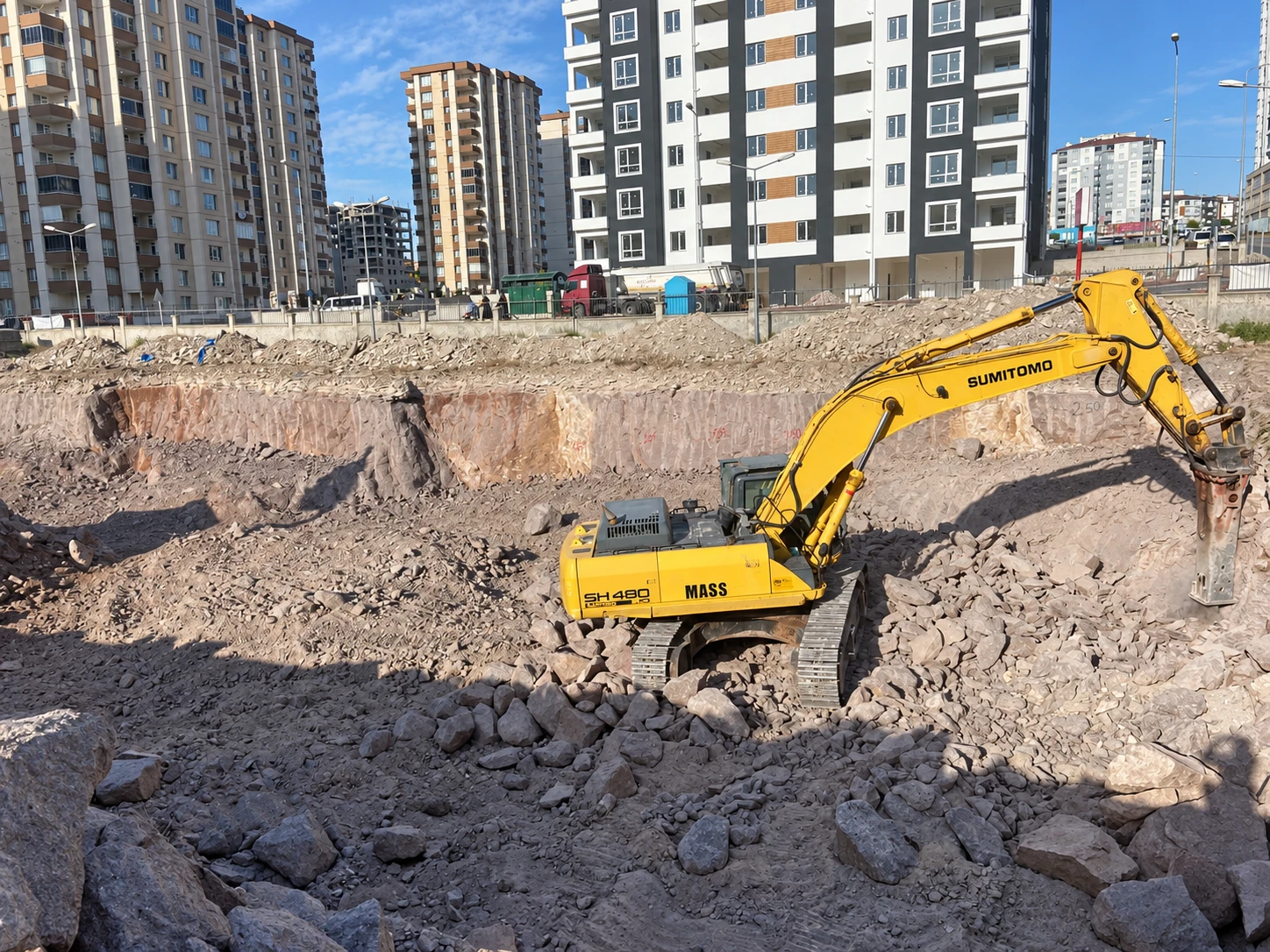
A building plot should not be seen merely as an empty area on which construction will take place. Access roads, surrounding buildings, existing infrastructure, the slope of the land and the available working area all affect planning. The ground and site investigations the project requires are assessed by qualified teams. The design is expected to be consistent with this data. Simply transferring a solution that worked on another project is not a sound starting point. Even plots that look similar may have different access and construction conditions.
In site preparation, site entrances, storage points, temporary work areas and the movement of crews are considered together. Where materials will wait and in what order they will be used matter as much as how they will reach the site. On a tight urban site, deliveries may be planned in small batches; on a large facility, distances and internal transport arrangements may be decisive. Building these conditions into the project schedule makes it easier for the program on paper to hold true on site. The relationship with daily life in the surrounding area is also part of the initial decisions.
Design Disciplines Must Work Together
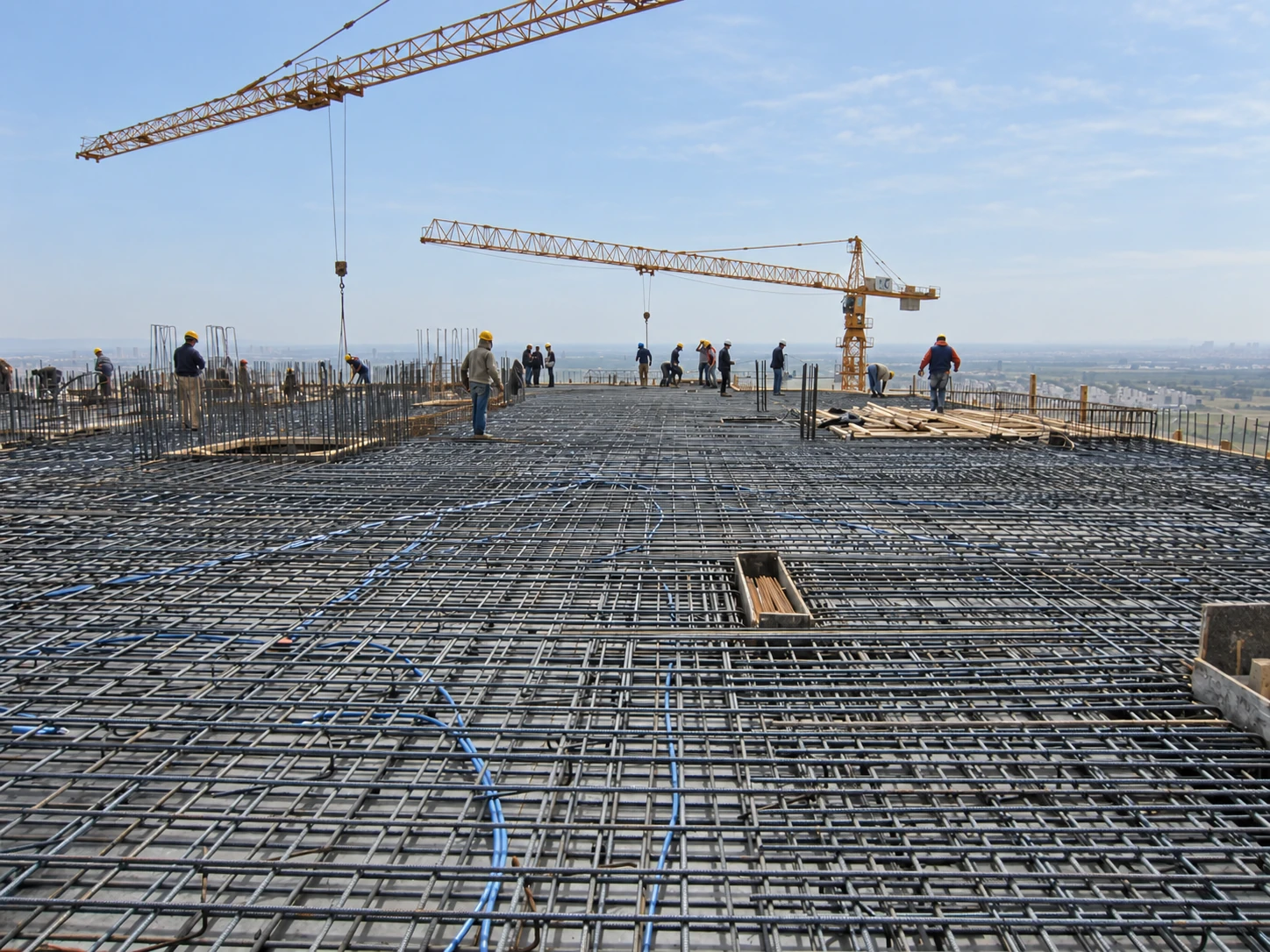
Architectural, structural, mechanical and electrical designs describe different aspects of the same building. When these drawings progress as independent files, clashes can arise during construction. A service route running into a structural member, or the space needed for maintenance being taken up by another function, are examples. The purpose of coordination is not only to find errors in the drawings. It is to think through together how the building will be built and operated. That is why it matters that teams supply data to one another at the right time.
In coordination meetings, open issues should be assigned to a responsible person and a target date. Discussing the same uncertainty again at every meeting does not move things forward. The solution needs to be incorporated into the relevant drawings, the revision defined and the information delivered to the site team. Digital tools can make this process easier, but software on its own does not replace regular communication. If it is unclear on site which file is current, even the most detailed model cannot prevent incorrect work. The core task of project management is to make sure information reaches the right person on time and in a clear form.
The Schedule Shows How Activities Depend on Each Other
A construction schedule is more than a set of dates written side by side. It shows which work must be completed before another activity can start. Material orders, design approvals, equipment deliveries and site works are all parts of the same plan. Some activities take little time on site but require long preparation. A delay in a custom-made component can affect more than one team waiting for it. If the program focuses only on physical construction, important dependencies will be missed.
When the schedule is developed, firm data should be kept separate from assumptions. Tying a decision that has not yet been approved to a fixed date can create unrealistic expectations later. By regularly reviewing the short-term program, teams reflect site conditions in the plan. Progress assessment looks not only at elapsed time but also at the quality of completed work and whether it is ready for the next stage. The value of planning does not come from producing a document that never changes. It lies in making changing conditions manageable and helping to spot the effects of delays early.
The Link Between Budget and Technical Decisions
Looking only at the initial purchase price when evaluating a project budget can be an incomplete approach. A choice of material can affect construction time, maintenance needs or the cost of another system. Whether a lower-priced alternative is advantageous for the project as a whole is examined through these relationships. Likewise, a higher price does not always mean a more suitable solution. The decision should be based on the building's needs and the defined performance expectations.
Budget control requires work packages to be described in a comparable way. Two bids covering different scopes cannot be evaluated by looking only at their totals. It must be clear whether transport, installation, testing, commissioning or maintenance documentation is included in the bid. Recording the effects of changes when they arise gives the investor a sounder basis for decisions. It is not possible to eliminate unforeseen conditions entirely, but updating cost information regularly can reduce surprises. Communication between the technical team and the finance function keeps the budget from becoming a spreadsheet detached from the site.
How Does Quality Become Visible on Site?
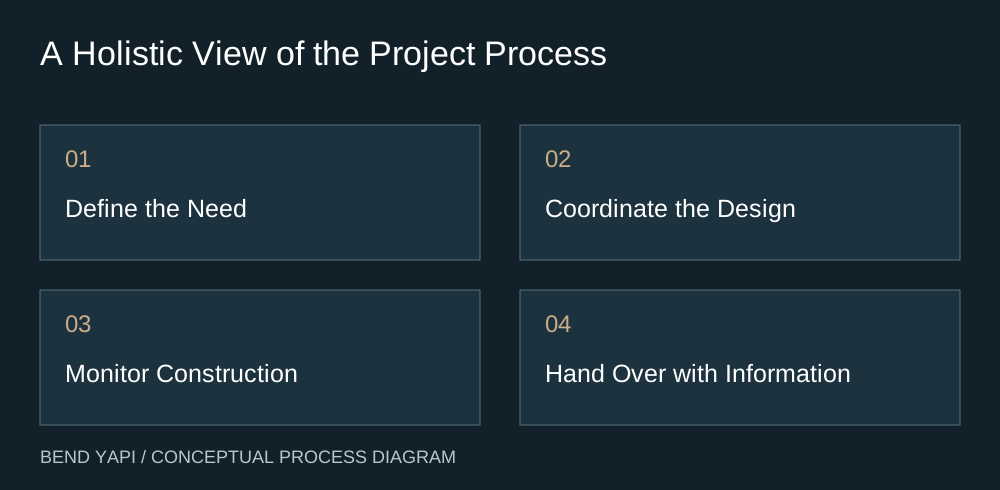
Quality cannot be fully assessed by looking at a photograph of the finished building. Much of the important work ends up hidden behind later work. That is why inspections must take place at the right stage. Material acceptance, preparation before work begins, in-process checks and close-out records complement one another. Which checks must be completed before the next operation can start should be defined in advance. This helps prevent problems from being covered over by new work.
Supporting inspection results with clear records benefits both the construction team and the client. When photographs, measurement results, material certificates and approval information are linked to the same work item, later review becomes easier. When nonconforming work is found, simply correcting it may not be enough; its cause is also assessed. Causes such as an incorrect drawing, missing information or unsuitable working conditions call for different measures. Quality management is therefore broader than an inspection round looking for defects; it is a process framework that ensures the work is done under the right conditions.
Thinking About Use Before Handover
Turnkey handover is not just about handing over the keys to the door. The information the client needs to use the building and its systems is also part of the handover. Up-to-date drawings, equipment documents, maintenance information and the necessary inspection records are compiled. Outstanding work is listed, and for each item a responsible party and a close-out method are defined. If the operations team's needs are first discussed on the last day, there may not be enough time to prepare. The handover plan should therefore be a piece of work that develops throughout the project.
It is also important that the information passed to the user is easy to understand. Handing over a large archive of files does not mean the information in it is easy to access. When documents are linked to the building's areas and systems, the operations team can find the record it needs more quickly. Details that change during construction need to be incorporated into the as-built documents. A drawing used in maintenance work is expected to show the actual condition on site. The value of the handover increases when the project leaves an organized information base for future use and maintenance.
The Right Questions for an Investor to Ask
Alongside the question "When will it be finished?", a meeting should also include the question "Which decisions do we need to make before we start?" It can be discussed which data is missing, which procurement should be started early and how critical activities will be monitored. It is also important to define the points of contact between the client's own team and the contractor. Conflicting instructions on the same decision from different people can make progress harder. Decision-making authority and information sharing should be defined separately.
In progress meetings, it is useful for pending decisions to be as visible as completed work. This way, the client can see that a delay does not stem solely from the pace of work on site. A drawing awaiting approval or equipment without a confirmed delivery date also affects the program. Producing a short, clear action list after the meeting ensures everyone knows the next step. Even when the size of the building changes, this need for communication does not go away. A common language within the project team helps complex work be managed in a more understandable and traceable way.
A View Through Bend Yapı Projects
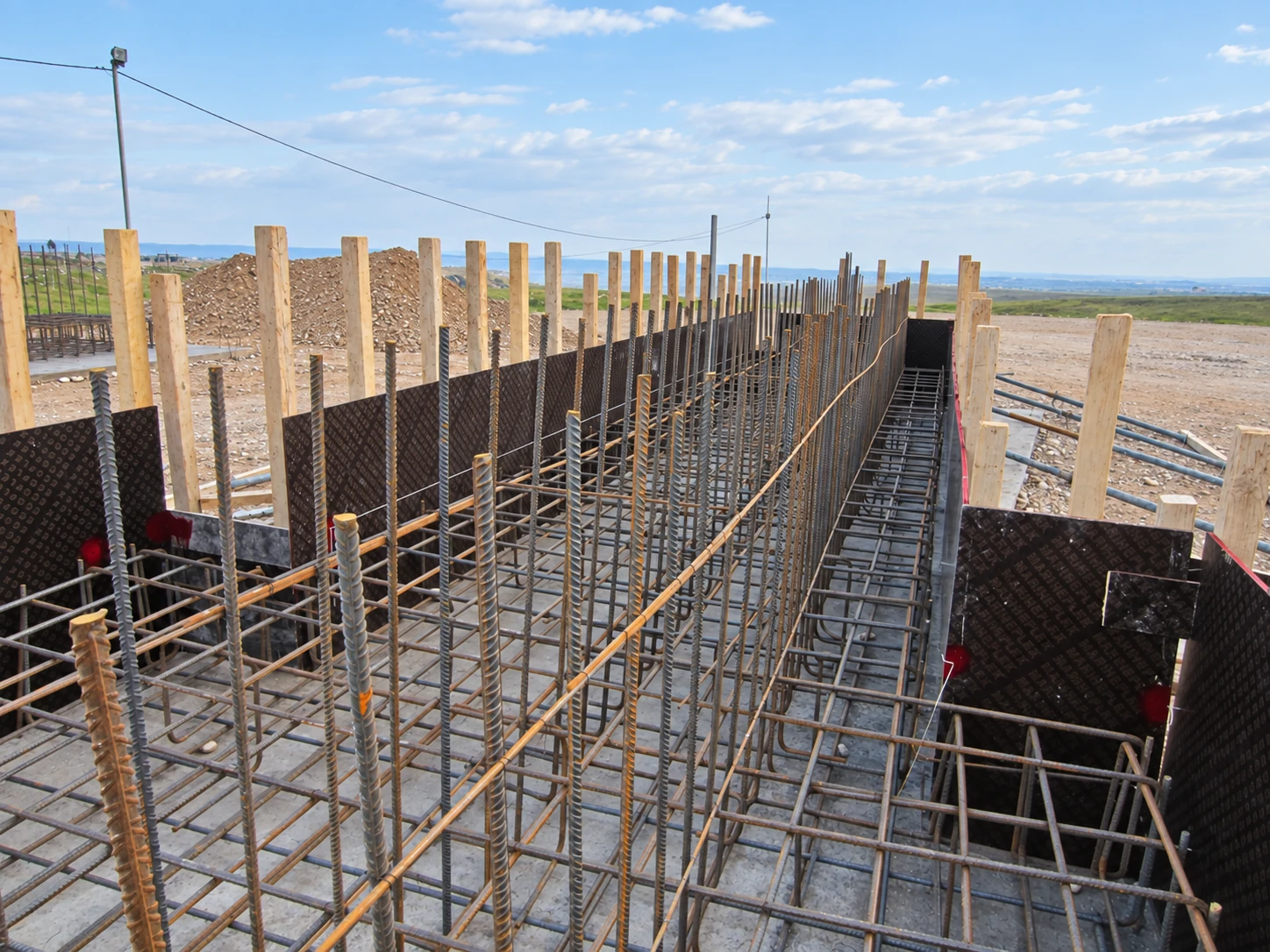
Bend Yapı's project archive covers a range of uses, including educational buildings, industrial facilities, water structures and housing. Sancak Anatolian High School and the Akdağ Mineral Wool Factory cannot be judged by the same expectations; their users, operating arrangements and technical relationships differ. Even so, clarifying needs, coordinating disciplines and documenting construction are meaningful for both types of building. The photographs in the archive show the physical context of the projects; on their own, they should not be taken as proof of a construction method or of a particular technical performance.
When a construction project is viewed as a whole in this way, design, budget, schedule and site stop being separate topics. Every decision carries data into another stage. Open communication established at the start, regular records during construction and clear information management at handover are parts of the same journey. The day the building comes into use is the point at which these preparations reach the user. Creating lasting project value requires attention not only to today's construction work but also to how the building will be used tomorrow.
What Does a Project Archive Bring to the Next Job?
To learn from a completed project, recording only the handover date and the total cost is not enough. It should also be assessed which decisions were usefully made early, which procurement items took longer than expected and which coordination issues affected construction. This information is not carried over to a new project as a ready-made solution; it is used to ask the initial questions more accurately. For example, a need for handover preparation encountered at one school can help a documentation and user training plan be set up earlier for a different educational building.
Involving site, design, procurement and client representatives in the project close-out meeting brings different experiences together. The aim of the meeting is not to blame a person or team, but to understand at which points the process could work better. When actionable recommendations are recorded together with a responsible party and a method, experience becomes institutional knowledge. This approach can prevent every problem on a new project from being treated as if it were happening for the first time.
Keeping the Decision Log Up to Date
Tracking the decisions made in project meetings in a single list makes it easier for teams to understand the current status. The list can include the topic, the responsible party, the information expected and the target date. When a decision is closed, the drawing or document it affects is also noted. This creates a link between meeting notes and construction information. When new data arrives on a topic, it is clear why the earlier decision changed. With this arrangement, the client can follow not only the work on site but also the preparations that make that work possible. The decision log does not need to be very long; it is more important that open issues are clear and up to date.