 TR
In This Article
- A Different Geography Calls for a New Initial Assessment
- Carrying Over Experience vs. Copying Solutions
- Verifying Site Information on the Ground
- Building the Supply Chain into the Project Program
- Climate and the Work Schedule
- A Common Language Is Not Always the Same Words
- Coordination with Local Teams
- Defining Quality Expectations Together
- Comparable Scope in Budget Decisions
- Continuity of Information at Handover
- Two Geographies from the Bend Yapı Archive
- Making the Kickoff Meeting Concrete
A Different Geography Calls for a New Initial Assessment
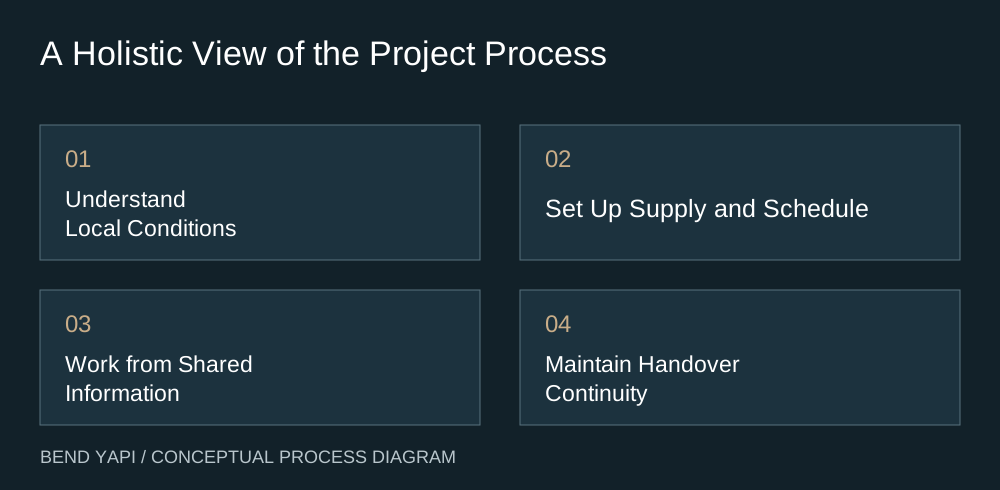
Carrying out a construction project in another geography does not mean simply repeating existing experience. Core processes such as clarifying requirements, design coordination and quality records may be the same. However, site access, supply relationships, climatic conditions and communication between teams require a separate assessment for each project. For this reason, experience helps more with asking the right initial questions than with copying a ready-made solution. It is important that the investor’s expectations and local implementation conditions are discussed within the same framework.
Bend Yapı’s head office in Elazığ and its branch in Erbil provide a working framework in the context of Türkiye and Iraq. The project archive also includes building projects from different geographies. This article is not a guide to legislation, permits or taxation in the two countries. Those subjects require specialist assessment according to the project, the region and current procedures. The aim here is to explain, in terms an investor can follow, how a shared engineering and project management discipline can be maintained under different site conditions.
Carrying Over Experience vs. Copying Solutions
Lessons learned on one project can be valuable for the next. Which decisions need to be made early, or which procurement items require long preparation, can be raised in new discussions. However, it should not be assumed that the same material, method or program is suitable under all conditions. The new project’s intended use and site data may differ. The value of experience lies in recognizing these differences earlier. The project team first separates available information from uncertainties, and then assesses the solution against the new conditions.
A client citing a previous project as a reference can help explain initial expectations. Even so, it should be discussed which features apply to the new investment. Appearance, capacity, technical systems and the handover target are treated as separate questions. Redefining the requirements, rather than saying “let’s build the same thing,” produces a clearer scope. In this way, a project from the archive enters the new work not as a technical recipe but as context that supports the discussion.
Verifying Site Information on the Ground
Initial site information is one of the fundamental inputs for implementation decisions. Land access, surrounding uses, existing infrastructure and work areas are examined for the specific project. The necessary technical investigations are assessed by the relevant specialists. A plan or photograph seen remotely may not convey all site conditions. That is why it is stated clearly which source each piece of information is based on and which issues have not yet been verified. The client can ask about this distinction in planning meetings.
Site information is not complete after the first visit. As the project progresses, new conditions may emerge or initial assumptions may change. Up-to-date information is shared with the relevant teams. Its impact on design and implementation decisions is assessed. The difficulty of working in a different geography is often related to getting information to the right person at the right time. Using a common record system helps reduce the chance of different teams understanding the same issue differently. The link between on-site information and the project file must be maintained continuously.
Building the Supply Chain into the Project Program
Where materials will be sourced from and at what stage they will reach the site affects the program. Procurement, delivery and installation are assessed within the same plan. A supplier having a product ready and the product being ready for use on site may be different stages. The required documents, inspections and storage are also considered. Where cross-border supply is involved, the related procedures are assessed by competent people according to current conditions. This article does not promise any specific delivery time or procedure.
The key question for the client is what assumptions the material plan is based on. Alternative supply options and the method for assessing changes can be discussed. A product being unavailable may not be only a procurement issue; it may affect installation time or its relationship with other systems. That is why decisions on alternatives rely on joint assessment by the technical and commercial teams. An approved change is recorded and communicated to the site. Supply management should be treated as an information and coordination process that runs from price negotiation to the point of installation.
Climate and the Work Schedule
Weather and seasonal conditions are assessed in site planning. It should not be assumed that a program used previously in a different region can be applied unchanged. The type of work and the work area can change how conditions affect it. The relevant specialists address implementation requirements for the specific project. In the schedule, firm data are separated from assumptions. The investor can learn which work depends on which condition and how the program will be updated when conditions change. In this way, the handover target is not discussed solely in terms of a single date.
Short-term plans are reviewed regularly against up-to-date information from the site. A change in the location or sequence of a task can affect other teams. These changes are brought into coordination meetings. Material deliveries and work areas are included in the same assessment. The job of planning is not to eliminate all uncertainty. It is to make known relationships visible and to assess the impact of new conditions in good time. A shared project discipline across different geographies comes not from a schedule that never changes but from managing updates in a way everyone can understand.
A Common Language Is Not Always the Same Words
On projects where different teams work together, it is important that technical information is communicated clearly. The language used, document definitions and drawing revisions should be unambiguous. The same term carrying different meanings for different teams can create uncertainty. For this reason, area names, work packages and handover expectations are defined within a common structure. Verbal communication is useful, but lasting decisions need to be turned into written information. This way, a team that joins later can also access the project’s existing decisions.
Meeting outputs state the person responsible and the next step clearly. If a decision needs to be translated, it is important to preserve its technical meaning. Teams should know which drawing governs and which issue is awaiting clarification. Communication is not complete just because a message has been sent; the party concerned also needs to understand what they are to do. The client can monitor this side of the decision chain. A clear information structure is one of the most tangible components of a shared engineering discipline across different geographies and has a direct effect on daily implementation.
Coordination with Local Teams
In the project organization, the duties and boundaries of the different teams are defined. It should be clear which work will be carried out by the designer, the contractor, the supplier or the client. Local site knowledge is fed into the main project plan in a suitable form. Although each team’s experience in its own field is important, the coordination of shared work is needed in addition. When responsibilities are left unclear, the same question may receive different answers from different people. It is helpful for the client to clarify communication and decision points at the outset.
Daily coordination meetings connect the central plan with the reality on site. Open items and pending decisions are assessed together. Having the parties involved work from the same record prevents each meeting from starting over from scratch. Once a change is decided, all affected teams are informed. Updating only the main contractor’s file may not mean that every team on site has been reached. A shared discipline is as much about how information moves between the boxes on the organization chart as about the boxes themselves.
Defining Quality Expectations Together
When working with different supply and installation teams, quality expectations need to be clear. Material, workmanship and acceptance criteria are defined based on project information. Verifiable expectations are discussed instead of general statements. The fact that a product has been used in another country or project does not by itself show that it is suitable for the current work. The technical team carries out the necessary assessment. Approved selections are communicated to the site with current and clear information. In this way, quality is no longer a subject interpreted differently according to each team’s habits.
Inspection records are linked to work and area definitions. The stage at which the required inspections will be carried out is determined. Work that will be covered by subsequent work is assessed at the right time. When a nonconformity is identified, the technical decision and the correction process are followed. Keeping this structure consistent across different geographies does not mean using the same physical solution. What is shared is how decisions are assessed and which records are used to monitor implementation. Solutions suited to local conditions and consistent information management can be addressed together.
Comparable Scope in Budget Decisions
When comparing bids in different regions, it is important to make sure the scope is the same. Supply, transport, installation and handover information may be presented differently in different bids. Comparing only the total price can hide differences in scope. The client can request an evaluation based on a common list of works. It then becomes clear which items are included and which will be addressed separately. The program and operational impact of technical alternatives is also included in the evaluation.
Budget information is updated throughout the project. Changes are tracked through clear records. The assumptions underlying costs that are not yet final are stated. Where a different currency or commercial terms are involved, the necessary assessment is carried out by the relevant specialists. This article does not provide a cost calculation for any particular investment. The aim is to explain that decisions should be discussed on the basis of the same scope and up-to-date information. Regular communication between the technical and commercial teams helps the investor see the impact of the options more clearly.
Continuity of Information at Handover
Completing a project in another geography does not reduce the importance of document control. The operations team needs access to information that describes the actual condition of the building. Up-to-date drawings, technical documents and the necessary inspection records are prepared appropriately. The language and file structure to be used are discussed according to the needs of the team receiving the handover. The existence of a large archive does not by itself mean usable information. Linking records to systems and areas makes them easier to access.
Outstanding work and missing documents are tracked separately. An owner and a closure method are set for each item. The handover plan is not prepared only at the final stage; it develops throughout the project. Details that change during construction need to be incorporated into the as-built information. The operations team can use this archive for maintenance or new connection works. A shared project discipline aims to maintain this continuity from the first meeting to the handover of information. When the physical structure is handed over together with the information that explains it, handover takes on a more complete meaning.
Two Geographies from the Bend Yapı Archive
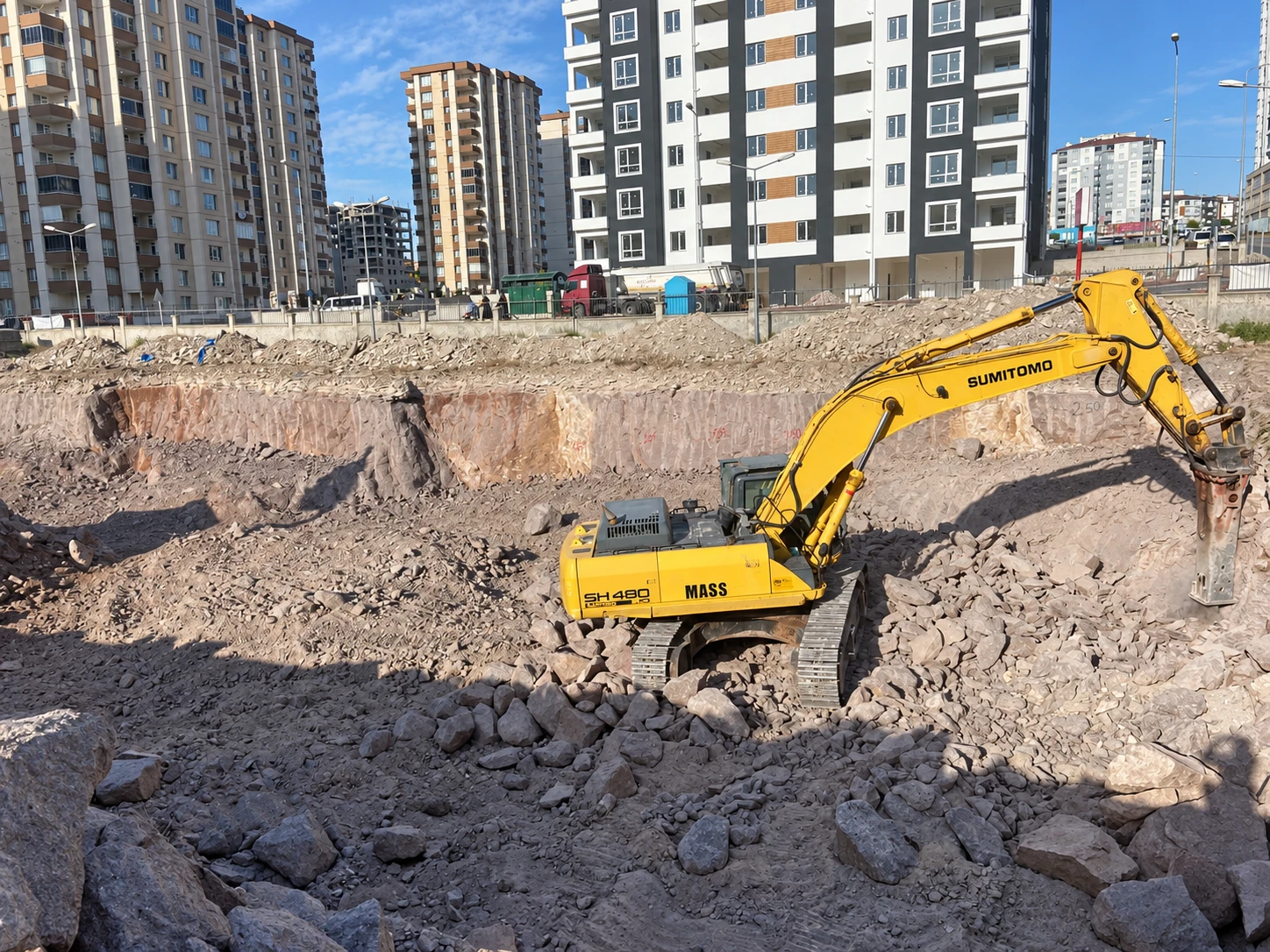
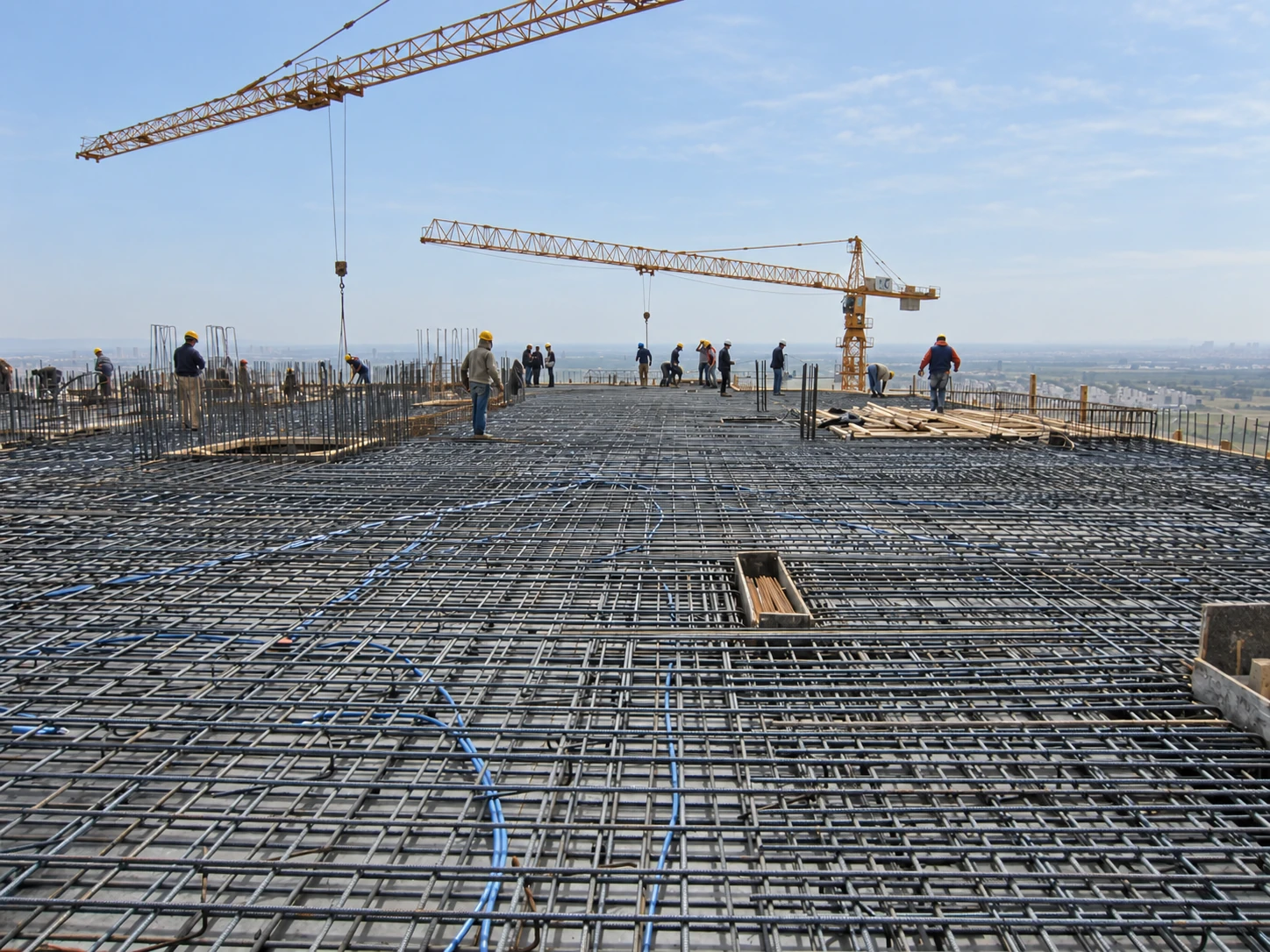
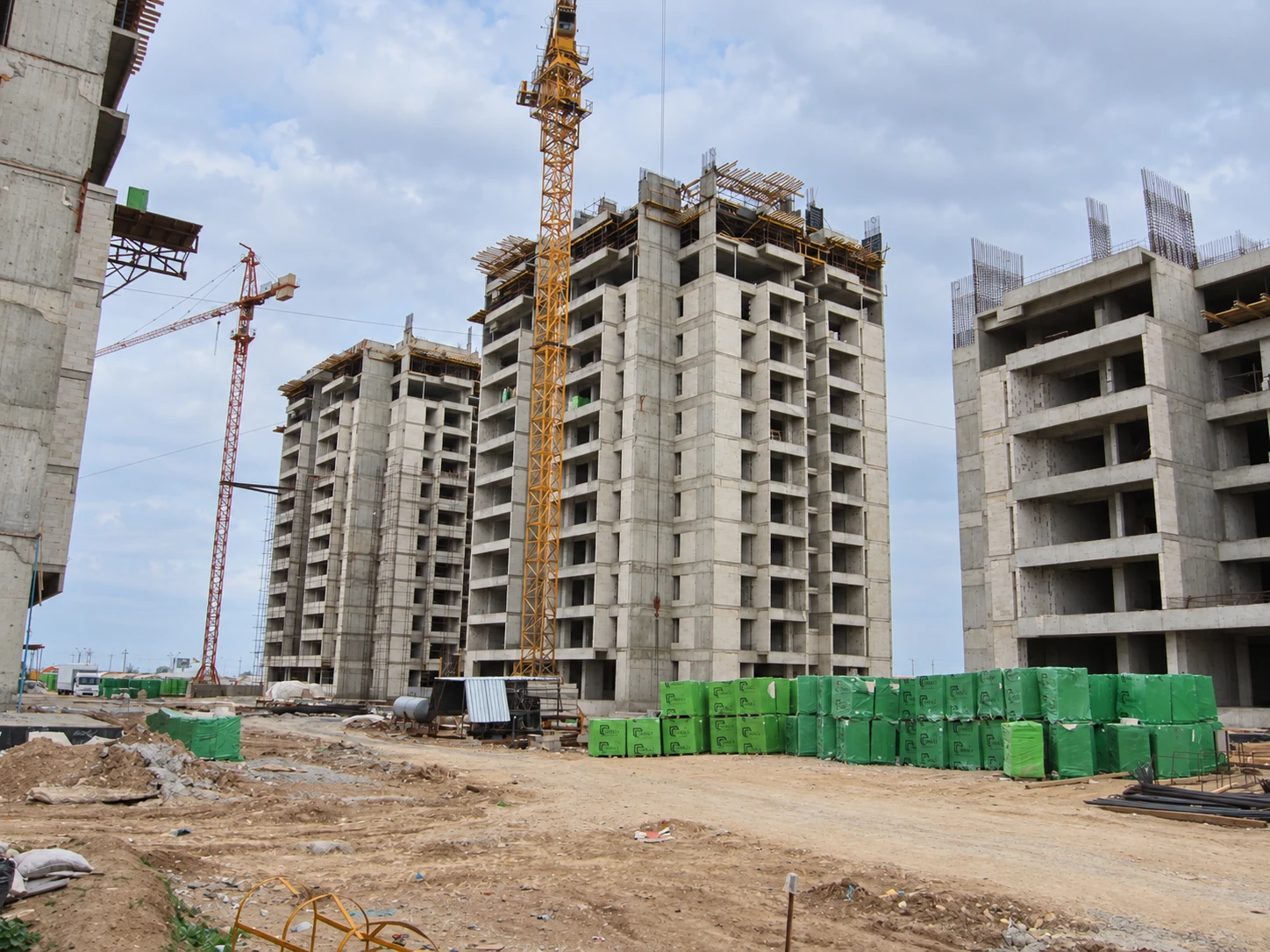
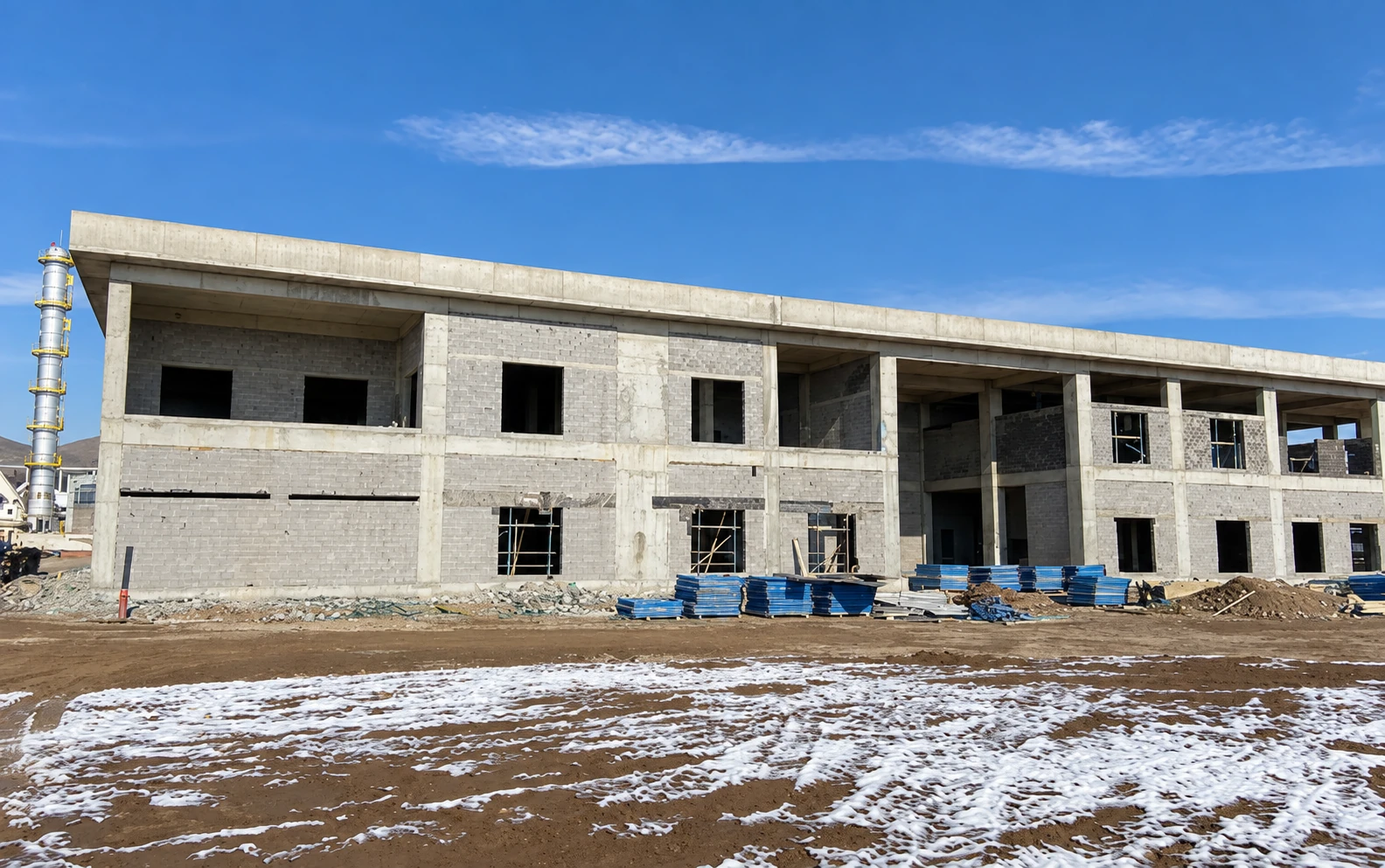
Bend Yapı’s archive includes educational and industrial buildings in Türkiye as well as a range of projects in Iraq. Khabat Thermal Power Plant and Bazyan Substation, Erbil Rehabilitation Center and Khosnaw Future City are among the projects that make this context visible. The images show specific stages from the archive. No conclusions are drawn from the photographs alone about the projects’ current status or overall technical performance. The image captions used in the content state clearly which project context the reader is looking at.
In an initial meeting about working in different geographies, site data, supply relationships, decision authority and information handover can be discussed together. Experience brings better questions to this discussion. The solution, however, is assessed according to the new investment’s own conditions. A shared engineering discipline does not mean applying the same detail everywhere; it means defining requirements clearly and managing decisions with well-organized information. A project approach centered on Elazığ and Erbil can also be understood through this fundamental relationship: a way of working that takes local conditions into account, assigns duties and keeps implementation traceable.
Making the Kickoff Meeting Concrete
Before the meeting, the investor can prepare the building’s intended use, the target date and the available site information. Decisions that are final are separated from issues still awaiting assessment. The project team identifies information gaps and priority investigations. As a result, the first meeting does not end with only a general statement of intent. Each party knows what information to prepare before the next meeting. Scope, schedule and supply relationships become clearer step by step.
The task list produced at the end of the meeting can serve as a common starting document for teams in different geographies. Each item is assigned to an owner and a target date. When new information arrives, the related decisions are updated. Instead of debating the same issue again, progress is made from the status of the previous record. This simple structure offers a more manageable path than trying to resolve every detail of a complex project in a single meeting. Shared information and clear tasks are the fundamental supports of project continuity under different site conditions.